Watch recording event
The Secrets of Successful Co-Creation
22 January, 2025 10:30 am (UK)
This event was led by the beautiful city of Orvieto in Italy. We discovered how Italy’s Third Sector, including associations like Tartarugaxyz and Anteas, have transformed public spaces through innovative co-creation processes. This success story offered practical insights into how these methods can be replicated in our own projects, and how we can engage communities and create inclusive environments.
Key takeaways:
- Importance of feedback: Engaging with citizens through activities like drawing and sharing feelings is crucial. Collecting feedback from these types of activities allows for an iterative process where the community’s input can shape and refine proposed solutions. It’s essential to involve citizens in the feedback loop and present them with analyses and proposed solutions.
- Co-creation process: The co-creation methodology is highly replicable, particularly within Italy, where the legal framework of shared administration facilitates co-design and citizen involvement. Outside of Italy, while the legal framework might differ, the model can still be applied through local associations or schools, which are key channels to involve families and children in the process.
- Keep it simple: The success of co-creation activities comes from their simplicity. The approach allows for modifications during the process to adapt to participants’ needs. This flexibility is seen as a critical factor in making the process smoother and more effective.
- Community and Citizen Engagement: The key to successful co-creation is maintaining continuous communication with the community, seeking their support from the start, and adapting activities based on real-time feedback. This collaborative approach helps ensure that the community remains engaged and that the project reflects their needs.
- Replicability of the Model: The methodology used in Orvieto can be a model for other cities, especially within the European context, as it aligns with ongoing discussions about promoting citizen-led activities through a legal framework. Co-creation with the third sector is seen as a standard practice in Orvieto for various social and cultural projects.
- Legislative Framework and Flexibility: A structural legislative framework combined with flexibility is central to the success of activities involving citizens. This blend of structure and adaptability is becoming a key topic of discussion among EU cities as a way of improving community engagement and co-creation.
Watch the recording here:
Who was on the panel?
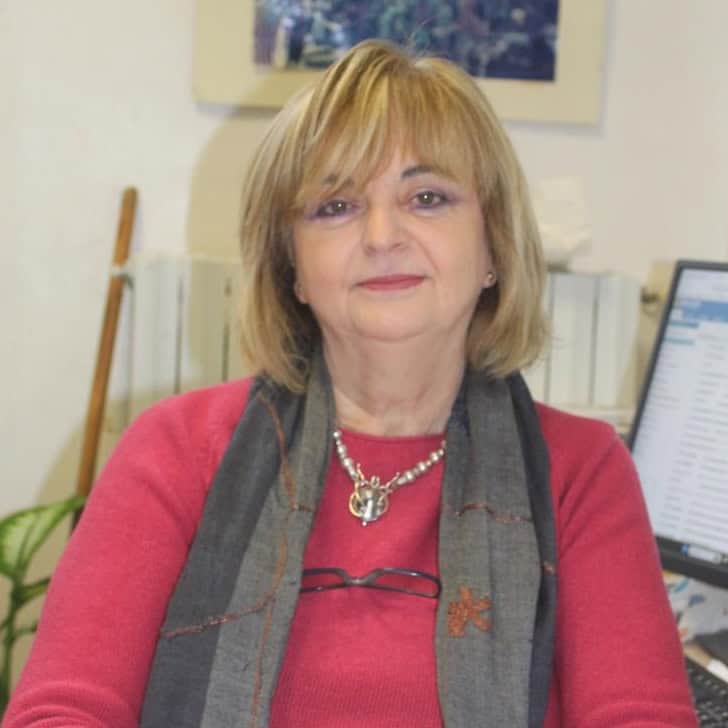
Carla Lodi is a graduate in Conservation of Cultural Heritage with a specialisation in archaeology from the University of Tuscia in Viterbo and is responsible for the Department of Culture, Libraries, Tourism, Sport, Internal Areas, and EU Policies in the Municipality of Orvieto. As a municipal officer, she has overseen numerous initiatives, including Umbria Jazz Winter, and Orvieto’s bids for Italian Capital of Culture and European Municipality of Sport. Since 2017, she has served as the technical coordinator for the Area Interna Sud-Ovest Orvietano (South-Western Orvieto District Internal Area), which comprises 19 municipalities and is the focus of a National Strategy aimed at fostering development and innovation. As head of the EU Policies office, Carla manages European projects funded both directly and indirectly through the Umbria Region.

Paola Quattoni holds a degree in Sociology with a focus on Social Planning from La Sapienza University, Rome (2004), and a degree in Educational Sciences from the Salesian Pontifical University – Progetto Uomo Institute (2020). Since 2003, she has been a partner and employee of the Società Cooperativa Sociale Il Quadrifoglio, working as a professional educator and socio-healthcare specialist in the fields of mental health, disabilities (minors and adults), and addiction. In 2017, she joined the cooperative’s Board of Directors. Currently, Paola coordinates a socio-rehabilitation and educational greenhouse for adults with disabilities, overseeing work mediation and extracurricular rehabilitation internships. She has also been President of the Amateur Sports Association Tartarugaxyz since 2013, where she organises sports, ecological, and cultural activities for people with disabilities. She became a Level I Multisport Technician in 2021 and qualified as a hiking guide in 2016. As President of Tartaruga xyz, Paola is responsible for coordinating athletics, hiking, and dance activities for both adults and children with physical, mental, and sensory disabilities. She also serves as a sports coach and professional educator on trips for individuals with disabilities and oversees the coordination, monitoring, and reporting of the association’s projects.

Giacomo Mencarelli is a professional educator in health and socio-pedagogical fields, as well as a sociologist and socio-cultural operator at Il Quadrifoglio Società Cooperativa Sociale in Orvieto. He holds a specialisation in social sciences for the territory from Sapienza University of Rome, along with a Master’s degree in planning and managing participatory policies and processes, and advanced training in Participative Administration. Giacomo collaborates with the Faculty of Political Science at the University of Perugia and the Labsus-Laboratory for Subsidiarity. He is a social innovator, coordinator, and community facilitator for numerous projects in the Orvieto area. Additionally, he serves as the artistic director of the Community Hub Lo Scalo, is active in the city’s cultural associations, and is the Founding President of the web radio, Radio Orvieto Web.

Vittoria Fazio is an architect and expert in sustainability within the built environment and urban spaces. She holds a PhD in energy saving and microgeneration distribution and is a strong advocate for diverse and inclusive design. With over 15 years of experience as a consultant and designer at both national and European levels, her expertise spans bioclimatic and sustainable architecture, participatory building processes, co-design and self-building methodologies, urban energy planning, and the renewal and energy retrofitting of historic urban centers, neighborhoods, and buildings. Since 2012, she has been actively involved in EU-funded projects, contributing to project management, citizen and stakeholder engagement, communication, training, and technical and constructional design.

Serena Ubaldini graduated in Political Science, with a focus on International Policies, from the University of Perugia, Italy. She has worked for the Municipality of Orvieto since 2004, initially in the press office, then at the International Secretariat and the Mayor’s Secretariat. Since 2012, she has been part of the technical office, gaining expertise in administrative and accounting areas. Since 2016, Serena has been managing EU Policies, overseeing several projects. These include initiatives on short supply chains (“Terre d’Orvieto” and “O.R.V.I.E.T.A.N.O”), tourism enhancement using multimedia and augmented reality tools (“La terra degli Etruschi” and “Orvieto Experience”), and reducing the digital divide (“Digipss” and “REtedei Punti di facilitazione digitale”). She is responsible for project applications as well as their operational, administrative, and accounting aspects. Serena chaired the event.