Watch recording event
Practical Strategies for Implementation of Nature-Based Solutions
19 February, 2025 2:00 pm (UK)
An international how-to guide to using the latest governance and technology tools.
The third event in our international series, brought together experts from Castellón in Spain and their twinned cities, Galapagar (Spain) and Veracruz (Mexio).
It explored the intersection of governance and technology in the implementation of nature-based solutions, with two engaging case studies:
- Green Wall Project in a Girls’ School: Discover how governance between the public and private sectors was successfully established. You’ll also learn how energy calculation tools and visualisation technologies, such as renderings, can streamline processes and enhance communication among stakeholders.
- Recycling, Sensors, and Incentives Project: See how technology is transforming recycling efforts through the use of sensors and an innovative application that offers incentives for users to participate in recycling initiatives.
Watch the recording here:
Who was on the panel?

Almudena de la Mata is a global leader in digital transformation, sustainability, and smart cities. As CEO of Blockchain Intelligence and President of the Blockchain Law and Compliance Institute, she drives innovation at the intersection of technology and sustainability. She serves on the Board of Directors of Alastria Blockchain Ecosystem, the AI Cluster of the Comunidad de Madrid, and the Foundation for Financial Innovation and Digital Economy. Recognised among Spain’s Top 100 lawyers and Top 100 women leaders, Almudena has been selected as a member of the Women Climate Leaders of the European Investment Bank, where she champions climate-focused digital innovation. She has contributed extensively to blockchain and sustainable development, advising the European Commission, the UN, and the Bundesbank, and serving on the European Commission’s Blockchain Observatory and Forum. A dedicated academic, Almudena is a professor at IE University and has lectured at institutions such as Humboldt University Berlin, the University of Hamburg, and ICADE. She has published over 25 articles and a monograph on law, technology, and innovation. Almudena earned her PhD in Law from the University of Hamburg and holds a Master’s in European Law from Saarbrücken. She completed postgraduate programs at HEC, the University of Reading, and MIT. Almudena co-founded Blockchain Intelligence and Impact Hub Madrid, scaling over 500 companies while advancing tech-driven smart city solutions.

Paloma Lorenzo Murillo, Councillor for Environment and Culture in Galapagar, holds a degree in Political Science, a master’s degree in Education, and a postgraduate degree in Digital Transformation from MIT. She has a diverse professional background, with experience spanning technology, the environment, and human resources. She is passionate about technology, nature, art, and culture. Her career includes extensive experience in technological project management and sustainability. Paloma has led initiatives aimed at optimising urban processes through advanced technology, with a focus on improving efficiency and resource management. Notably, she has managed projects involving the implementation of sensor systems to monitor urban infrastructures, providing her with deep knowledge of how technology can transform waste management and other municipal services. This expertise is particularly relevant to her involvement in the Galapagar container sensorisation project, where her skills in IoT (Internet of Things) and data analysis are essential for enhancing waste management efficiency. Paloma is recognised for her ability to integrate technological solutions with sustainable approaches, always seeking innovation to optimise resource use. Her work on projects that directly impact citizens’ quality of life has established her as a leader in the application of technology to urban management.
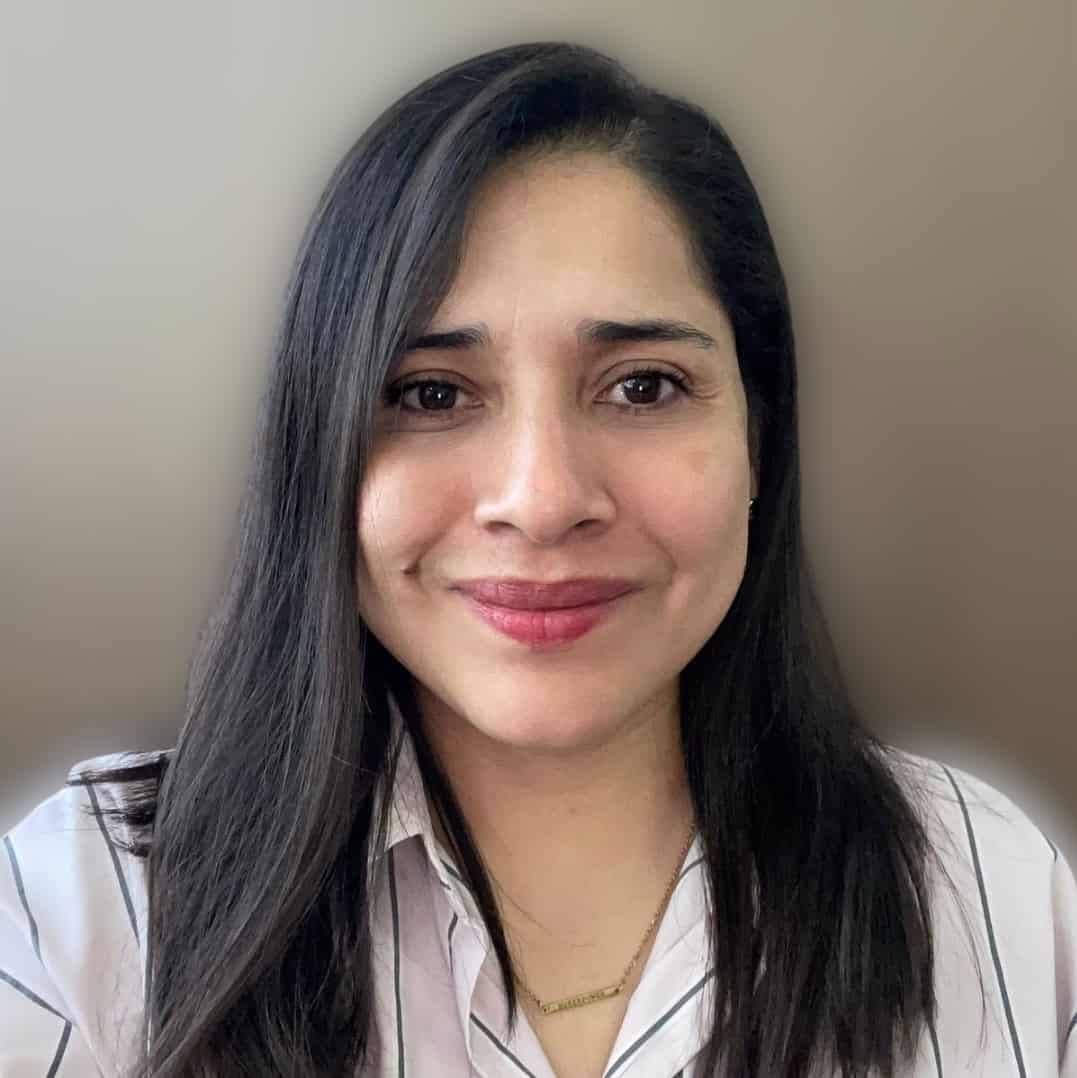
Cinthya Sosa is a chemical engineer specialised in chemical processes, graduating from the Instituto Tecnológico de Minatitlán in Veracruz, Mexico in 2004. She earned her PhD in Territory and Environment, with a focus on wastewater treatment by biological processes, as well as biogas and hydrogen production, from the Universidad Politécnica de Madrid in Spain (2013). With over ten years of experience as a university professor and researcher at the Tecnológico Nacional de México/Instituto Tecnológico de Veracruz, she has led research projects in sustainability and energy production from biomass, including biogas production through anaerobic digestion, hydrogen production via electrolysis and biophotolysis, and the development of methodologies to calculate the carbon footprint and energy efficiency of buildings, as well as exploring nature-based solutions for CO₂ reduction through green walls along her peers. She currently coordinates the DivAirCity project in Veracruz.